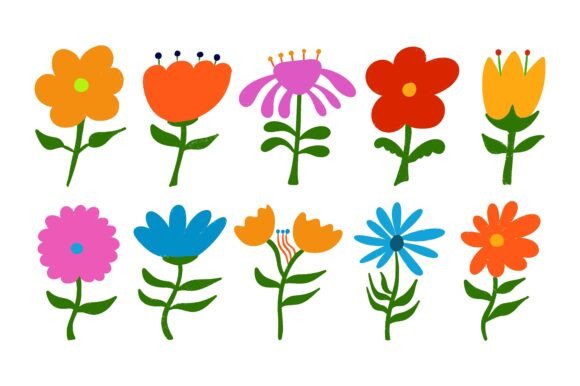
Hand Drawn Flower Collection Elements
First Impressions: Soft, Sincere, and Surprisingly Versatile
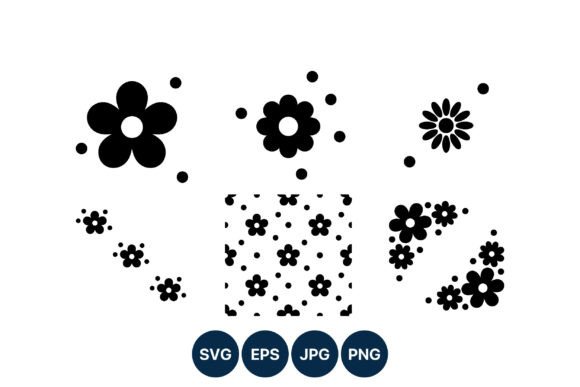
When I opened Hand Drawn Flower Collection Elements, I didn’t see “cute” — I saw intentional. These aren’t clipart flowers masquerading as hand-drawn; they carry the gentle unevenness of real pencil lines, the quiet confidence of botanical observation, and a color palette that breathes rather than shouts. Soft peach, muted sage, dusty lavender — all applied with restraint. The isolation on white background isn’t just convenient for digital use; it signals clarity and focus. That matters deeply when translating to stitch.
A Real Project Test: Embroidering a Linen Kitchen Towel
Last week, I used three elements from Hand Drawn Flower Collection Elements to embroider a heavyweight linen tea towel for a local boutique’s spring collection. Not as a full motif — but as delicate corner accents: a single daisy, a trailing vine stem, and a tiny bud cluster. Why this combo? Because the line weight is consistent, the curves are open (not tightly coiled), and the negative space feels generous — not cramped. In stitch, that translated to clean satin-stitched outlines and breathable fill areas that didn’t overwhelm the fabric’s natural texture. Customers responded immediately: “It looks like someone drew it *just for me*.” That handmade warmth? It’s baked into the design’s DNA.
Where It Shines in Real Embroidery Work
- Custom apparel: Works beautifully on sweatshirt cuffs, t-shirt hems, or back yokes — especially when scaled modestly (2–3 inches). The simplicity avoids bulk while adding quiet personality.
- Baby embroidery: Ideal for onesies, burp cloths, and crib blankets. No sharp angles or fussy details — just soft, safe, recognizable shapes that hold up after repeated washing.
- Embroidered patch: Clean edges and moderate detail mean crisp cut-and-sew results without fraying or thread nesting at corners.
- Tote bag design: Stitches cleanly on canvas and duck cloth. The organic flow complements casual, artisanal branding — think farmers’ market stalls or indie bookshops.
- Holiday embroidery & personalized gifts: Add a sprig to a monogrammed pillow cover or a single bloom beside a name on a baby blanket. It reads as thoughtful, not generic.
- Craft business & Etsy seller needs: These elements layer well in printable mockups and pair effortlessly with hand-lettered phrases. They feel cohesive enough for a brand kit, yet distinct enough to stand alone.
Where to Proceed Thoughtfully
Hand Drawn Flower Collection Elements isn’t magic — it’s a tool. And like any good tool, its success depends on context.
On textured fabrics like bouclé or heavy twill, keep elements larger (minimum 1.5 inches) so line integrity stays legible. Tiny stems or fine petals can blur visually under dense weave.
For stretchy fabric (knits, jersey), pair with light cutaway stabilizer and reduce stitch density slightly — those soft curves rely on stability to stay graceful, not wobbly.
Avoid using the most delicate elements (like single-thread vines or narrow stamens) on curved surfaces like caps or baby hats unless you’re confident in your hooping technique and have tested on scrap first.
On dark fabric, test thread colors carefully. The soft original palette translates best to matte cotton threads — avoid high-sheen rayon if you want to preserve that hand-drawn humility.
And yes — small hoop sizes (under 4×4") demand editing. Some clusters may need slight spacing adjustment or individual element selection. Don’t force a full bouquet into tight quarters.
What It Adds — Beyond Just Stitching
This collection elevates more than fabric — it elevates perception. A customer holding a tote bag with one of these flowers doesn’t just see decoration; they sense care, curation, and authenticity. That builds customer trust and justifies a small price premium. For small shop product development, it supports brand consistency across packaging, social posts, and physical goods — because the style is distinctive but never loud.
In commercial embroidery, where speed and reliability matter, these elements digitize predictably. Few dense satin fills, minimal jump stitches between isolated parts, and forgiving proportions mean fewer thread breaks and smoother runs. That saves time — and keeps your machine happy.
Practical Designer Notes Before You Stitch
- Always test the design on scrap fabric — same type, same stabilizer, same thread count as your final project.
- Check thread color contrast early. Soft designs need thoughtful pairing — a pale sage flower on oatmeal linen sings; on charcoal, it may disappear.
- Review stitch density. If your embroidery software shows heavy fill areas, consider simplifying or switching to a lighter fill stitch.
- Confirm hoop size compatibility — especially if combining multiple elements into one layout.
- Inspect small details at actual stitch scale. What looks elegant on screen might become a fuzzy blob at 0.75" tall.
- Test in black and white mockups — ensures readability and silhouette strength without color crutches.
- Compare performance on light and dark fabric backgrounds before committing to a production run.
- Use the right stabilizer: tear-away for stable wovens, cutaway for knits or lightweight linens.
- Verify licensing — Hand Drawn Flower Collection Elements is categorized as Illustrations, but confirm whether your intended use (e.g., selling finished embroidered patches or digital embroidery files) aligns with the license terms.
Final Thought: A Quiet Design That Earns Its Place
Hand Drawn Flower Collection Elements won’t shout from a shelf — and that’s its strength. It’s the kind of machine embroidery design that makes a handmade product feel considered, not assembled. Whether you’re an Etsy seller building a seasonal collection, a craft business owner refreshing your boutique line, or a parent stitching a personalized gift, this set delivers visual calm without sacrificing character. It’s not flashy. It’s faithful — to craft, to clarity, and to the quiet joy of something truly drawn by hand, then thoughtfully translated into thread.